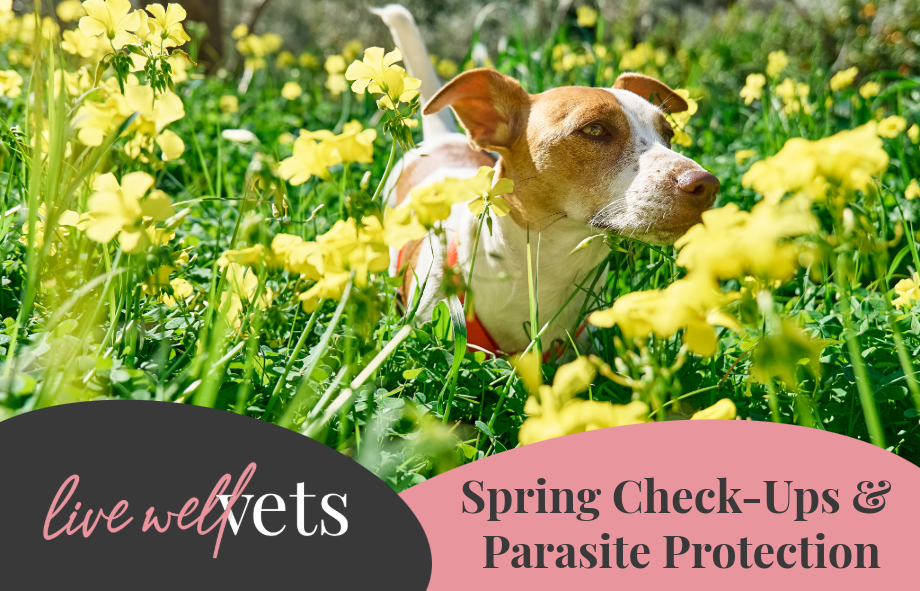
Spring Check-Ups & Parasite Protection
As the days get longer and the temperatures start to rise, spring brings plenty of opportunities for our pets to enjoy the great outdoors. Unfortunately, it also marks the start of peak parasite season. At our practice, we see a noticeable increase in flea infestations, tick bites and worm cases from March onwards.
A spring check-up is the perfect way to make sure your dog or cat is in great shape and fully protected against common UK parasites. Prevention is always safer, simpler and more cost-effective than treatment.
Why Spring Parasite Protection Matters
Indoor heating and milder winters in recent years mean parasites are surviving for longer and becoming active earlier. Fleas can live indoors all year round, while ticks thrive in grassland, woodlands and even urban parks. Worm risks also increase as pets spend more time outside.
Common UK parasites include:
- Fleas – causing itching, skin infections and tapeworm.
- Ticks – which can transmit diseases such as Lyme disease.
- Roundworms and hookworms – affecting digestive health.
- Lungworm – a serious and potentially life-threatening condition in dogs.
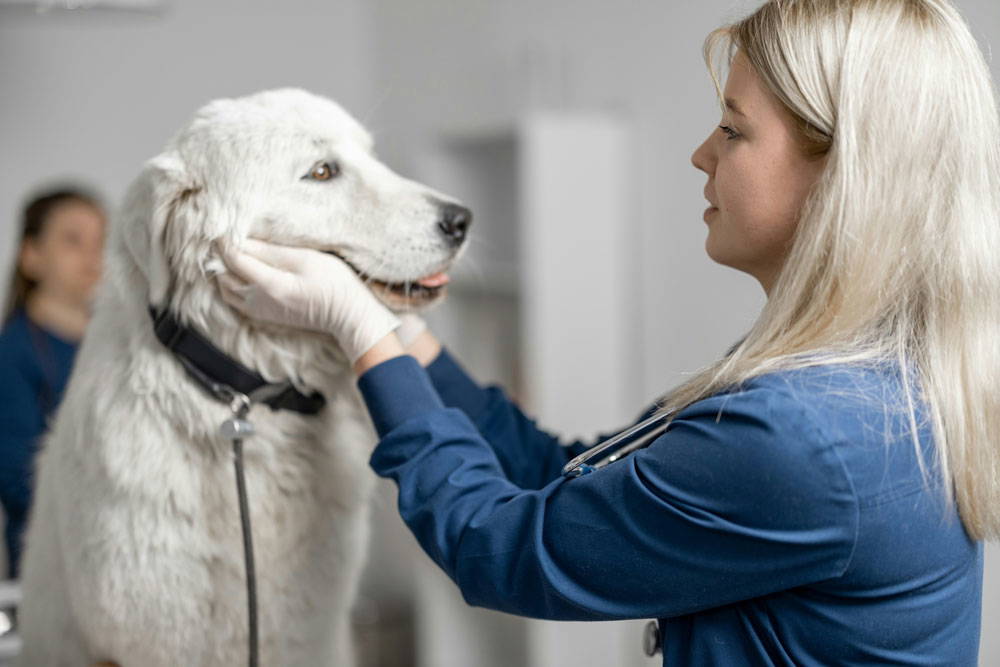
What Happens at a Spring Check-Up?
During a health check, we carry out a full nose-to-tail examination. This may include:
- Weight and body condition assessment
- Skin and coat check for signs of fleas or allergies
- Lump and bump examination
- Dental health check
- Discussion of lifestyle and parasite risk
We can review your pet’s parasite prevention plan to ensure they’re covered against fleas, ticks and worms with up-to-date, vet-recommended treatments.
Get parasite prevention delivered to your door as part of the Live Well Pet Club
Do Indoor Cats Need Flea & Worm Treatment?
Many owners assume indoor cats have little to no risk of picking up parasites. While indoor cats are generally at lower risk than cats who spend time outdoors, it’s still possible for fleas, ticks or worm eggs to be brought into the home.
Flea eggs can occasionally be carried inside on shoes, clothing or visiting pets, and cats with garden access may also come into contact with parasites in grass or soil. Once inside, fleas can spread quickly through carpets, soft furnishings and bedding.
Fleas can also lead to tapeworm infection if a cat swallows an infected flea while grooming. In some cases, worm eggs may be brought indoors from contaminated soil, and certain intestinal worms can pose a risk to human health.
The right level of parasite protection will depend on your cat’s lifestyle, home environment and individual risk. Book in your cat’s check-up and our team can help you choose a tailored, vet-prescribed flea and worm plan that keeps your cat protected without over-treating unnecessarily.

Top Tips for Pet Owners This Spring
✔ Use vet-prescribed parasite prevention regularly and consistently.
✔ Check your dog for ticks after countryside walks.
✔ Wash pet bedding regularly at 60°C to help kill flea eggs.
✔ Keep up to date with worming treatments, especially for pets that hunt or scavenge.
✔ Book an annual health check before problems arise.
Book Your Pet's Spring Check-up Today

Get flea, tick, and worm treatments delivered to your door
Membership includes...
- Vaccinations
- Health Checks
- Flea, tick & worm treatment Delivered to your door!
- Unlimited nail clips
- Unlimited weight clinics