

Advanced Regenerative Treatments to Help Your Pet Move Freely Again
Veterinary medicine continues to evolve, and one area that has developed significantly in recent years is regenerative medicine. Treatments such as Platelet Rich Plasma (PRP) and stem cell therapy aim to support the body’s own healing processes and may provide additional options alongside more traditional treatments.
At Live Well Vets we are able to provide both PRP therapy and stem cell treatment for cats and dogs, helping manage conditions such as arthritis, tendon injuries and joint disease.
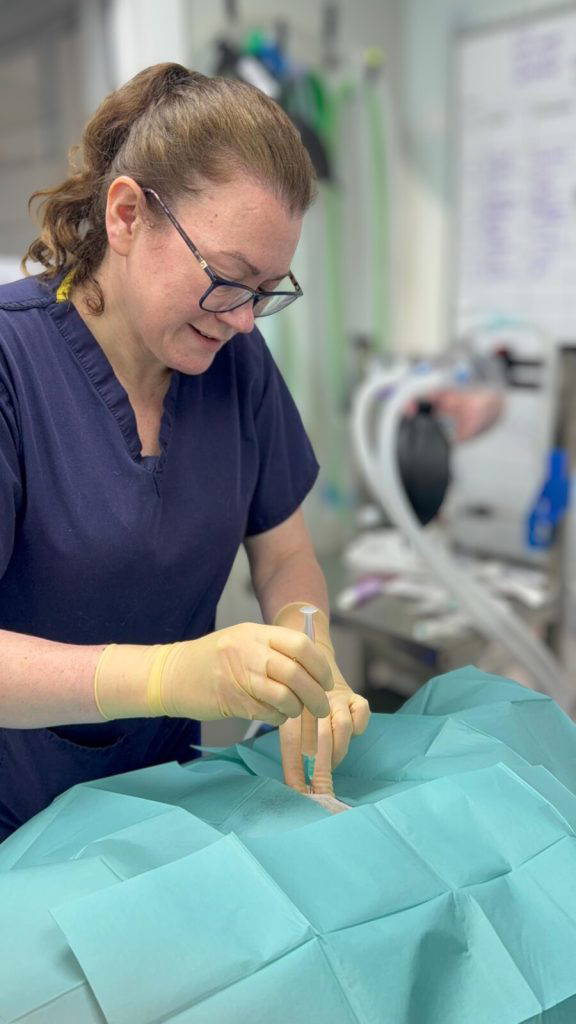
Recently, the team carried out PRP treatment for a patient, with Lead Veterinary Surgeon Charlie Brereton performing the procedure.
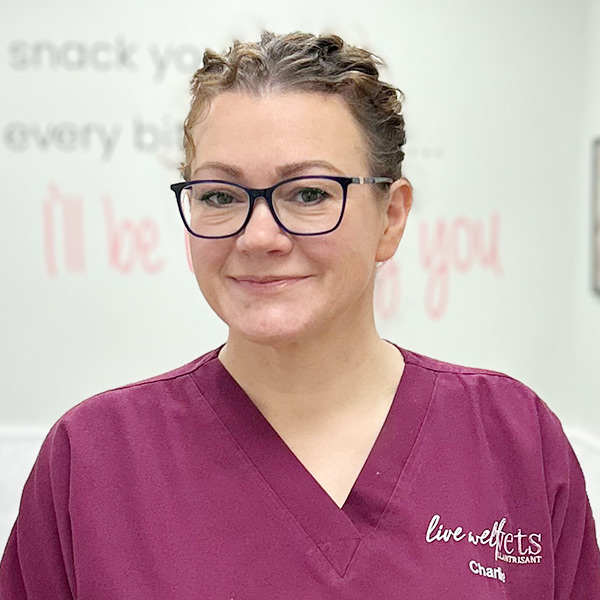
Charlie Brereton BVM&S MRCVS performing PRP therapy at Live Well Vets
Experience within the team
The procedure was performed by Charlie Brereton BVM&S MRCVS, Lead Veterinary Surgeon at Live Well Vets.
Charlie has more than 30 years of experience in the veterinary industry. She began her career as a veterinary nurse before qualifying as a veterinary surgeon from the University of Edinburgh in 2011. After running her own veterinary practice for nine years, she joined Live Well Vets in 2023.
Charlie has a particular interest in ultrasonography and advanced diagnostic imaging, which plays an important role when guiding treatments such as PRP injections into joints and soft tissues.
She works closely with the wider veterinary team to help diagnose and treat complex conditions seen in first opinion practice.
What is PRP (Platelet Rich Plasma)?
PRP stands for Platelet Rich Plasma. Platelets are tiny components within blood that play a key role in healing. They contain growth factors and proteins that help stimulate tissue repair and reduce inflammation.
PRP therapy works by concentrating these platelets and injecting them directly into an injured or diseased area to may help support healing.
The treatment is commonly used for conditions such as:
Arthritis & joint inflammation
Ligament injuries
Tendon injuries
Soft tissue injuries
Chronic lameness
How PRP treatment works
PRP treatment is a minimally invasive in-house procedure that typically follows these steps:
1
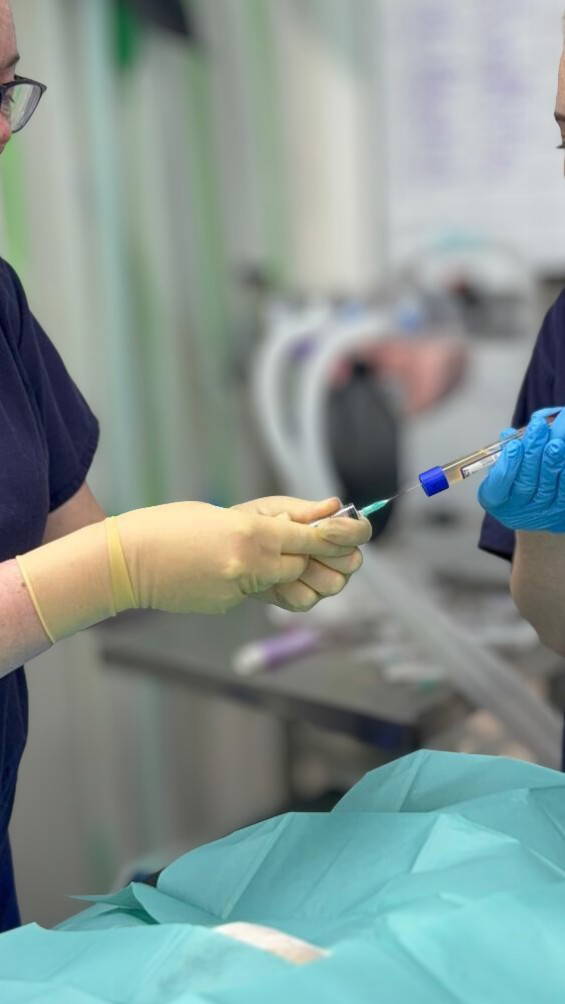
Blood sample taken – a small sample of blood is drawn, often under sedation
2
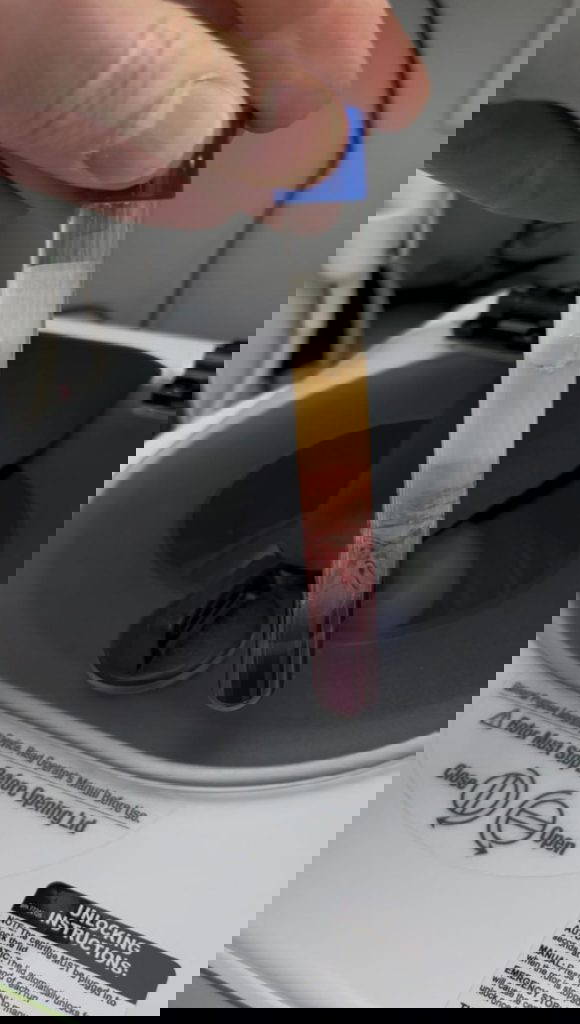
Centrifuge separation – the sample is spun at high speed in a specialised centrifuge, separating the platelet-rich plasma from other blood components.
3
Concentration extracted – the concentrated platelet plasma is carefully drawn into a syringe.
4
Precision injection – the PRP is injected directly into the affected joint or tissue, often guided by ultrasound for precise placement.
Because the treatment uses your pet’s own blood, the risk of reaction is low. Improvement often develops gradually over several weeks.
A blood sample showing platelet-rich plasma separation after centrifuge processing
What happens after PRP treatment?
After treatment, most pets are able to return home the same day once they have recovered from sedation.
PRP works by stimulating the body’s natural healing processes. Improvement often develops gradually over several weeks as tissues respond to the growth factors released by the platelets.
In some cats and dogs, particularly those with arthritis or chronic joint problems, PRP may help improve comfort and mobility and can form part of a broader treatment plan.
When stem cell therapy may be recommended
In some cases where joint disease is more advanced, stem cell therapy may also be considered as part of a regenerative treatment plan.
Stem cells have the ability to develop into different cell types and release signalling factors that may help support tissue repair and reduce inflammation.
Stem cell therapy may be considered for:
Osteoarthritis
Joint degeneration
Ligament injuries
Cartilage damage
Stem cells are typically collected from a small sample of the patient’s own fat tissue under anaesthetic. The cells are then processed and injected into affected joints or tissues where they may help support healing and reduce inflammation.
Regenerative medicine for pets in South Wales
Live Well Vets offers both PRP therapy and stem cell treatment for dogs and cats with certain orthopaedic and musculoskeletal conditions.
These treatments form part of a developing area of veterinary medicine known as regenerative medicine, which aims to support tissue repair and improve comfort and mobility in some patients with chronic joint disease.
Our veterinary team regularly manages conditions such as lameness, arthritis, ligament injury and joint disease. In selected cases, regenerative therapies may provide an additional option alongside more traditional treatments.
As with all treatments, response can vary between patients, and regenerative therapies are not suitable for every case. Our veterinary team will advise when these treatments may be appropriate.
Could PRP or Stem Cell Therapy Help Your Pet?
Our team offers regenerative treatments for cats or dogs suffering from arthritis, joint disease, tendon injuries and chronic lameness. Get in touch to find out if your pet could benefit.
Call us to book a consultation: 02922 520 471
Frequently asked questions
What is PRP treatment for dogs and cats?
PRP (Platelet Rich Plasma) therapy uses a dog’s own blood to create a concentrated solution of healing platelets which are injected into injured tissues or joints to support healing and reduce inflammation.
What conditions can PRP help in dogs and cats?
PRP therapy is often used for arthritis, tendon injuries, ligament injuries and other musculoskeletal conditions that cause pain or lameness.
Do Live Well Vets provide stem cell therapy for pets?
Yes. Stem cell therapy is available for Cats and Dogs. The veterinary team at Live Well Vets can offer regenerative medicine options including PRP and stem cell therapy for suitable patients.
Where can cats or dogs receive PRP treatment in South Wales?
PRP and regenerative treatments are available through Live Well Vets, which has practices in Caerphilly, Llantrisant and Whitchurch serving pets across South Wales.
Veterinary care at Live Well Vets
Live Well Vets is an independent veterinary practice caring for dogs, cats and pets across South Wales, with practices located in Caerphilly, Llantrisant and Whitchurch.
Our veterinary team provides a wide range of services including soft tissue surgery, orthopaedic and lameness investigations, cardiology investigations, ophthalmology, internal medicine and advanced diagnostic imaging.
Facilities at Live Well Vets include digital X-ray, ultrasound, in-house laboratories in all practices and a CT scanner located at the Caerphilly practice.
The team regularly treats pets from across Cardiff, Caerphilly, Pontypridd, Llanbradach, Llantrisant and surrounding areas.